Month: April 2026

  • Black or White

    Black or White

    How hard should we cancel the Michael Jackson biopic?

    I was in high school in 1982 when Michael Jackson’s Thriller came out. Those were the days of national monoculture, and that album was the aural equivalent of chewing gum on your shoe. It was in cars, in malls, in the 7-11 while you were getting a Slurpee, just impossible to ignore. People forget that “Michael or Prince?” was a national debate during Reagan’s first term.

    The videos for “Beat It,” “Billie Jean” and “Thriller” were credited with breaking the “color barrier” on MTV, which was barely a year old and a new taste-making force in pop music. Seven of the nine tracks on Thriller were top-ten hits and the album was number one on the Billboard charts for 37 weeks. Michael Jackson, 24 years old but nearly two decades into his pop-music career, reached celebrity escape-velocity and became the King of Pop™.

    Jackson’s life story is fascinating. Molded into early celebrity by a domineering father, he appeared to spend much of his life in arrested childhood. Neverland Ranch, Bubbles the chimp, his extreme cosmetic surgery and progressive de-blackification, his masked kids. A troubled late-career shadowed by debt, drug abuse, deep eccentricity and several credible allegations of child sexual abuse, most famously covered in the 2019 documentary Leaving Neverland.1 Finally, death at 50 from a drug overdose on the eve of a series of comeback concerts in London. Fertile territory for a biopic on race, celebrity, sexual pathology and the cost of fame! 

    Alas, that is not the biopic you’re going to get. The biopic you’re going to get is Michael, and it is reportedly on track to be a monster hit. But the movie elides all that late-career complexity and ends with Jackson’s triumphant concert at Wembley in 1988, when he was still on the rise and before any troubling child sexual abuse allegations.

    Read the rest on Substack

    From the producers of “Bohemian Rhapsody”
  • French Harder!

    French Harder!

    An air crash, the politics of language and the dangers of unresolved tension

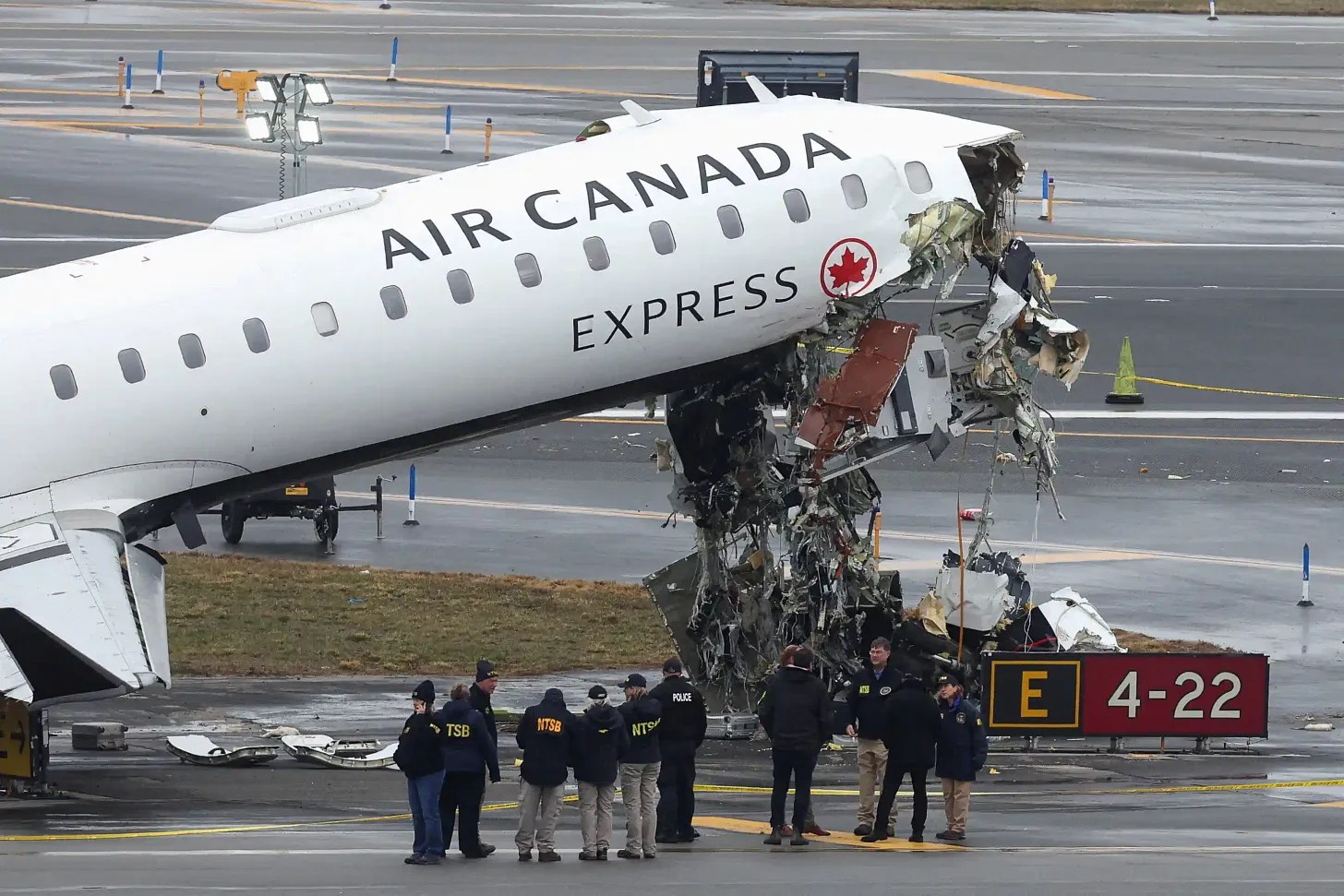
    Let’s say you’re the CEO of a national air carrier. It’s a big job that comes with lots of pressure! One of your aircraft is involved in a runway crash that results in the tragic deaths of two pilots and injuries to a number of passengers. All the early indications are that your airline is not at fault. But, as CEO, it is your responsibility to communicate sentiment on behalf of the company, and to explain the actions the company is taking.

    You record a four minute video in which you offer condolences for deaths of the pilots and explain what you are doing to support the passengers and other crew members. You are appropriately solemn. You say all the right things, considering the circumstances. Job done, right?

    Maybe not…

    Carney slams Air Canada CEO for English-only remarks after crash reut.rs/47l7vdr

    — Reuters (@reuters.com) 2026-03-25T19:45:10Z

    It is a public relations truism that poor communication can make a crisis worse. Typically, that means things like responding too late, getting demonstrably ahead of the facts, omitting or obfuscating important information, or releasing inconsistent or muddled messages.

    Or, one might be “tone deaf,” meaning your remarks sound poorly calibrated to the gravity of the situation or the feelings of stakeholders. A canonical example of tone deafness is a remark by Tony Hayward, CEO of BP during the Deepwater Horizon explosion and oil spill. In the midst of apologizing for the situation on TV during what was supposed to be a shirtsleeves “we’re fixing it!” PR hit, he said, “There’s no one who wants this thing over more than I do. I’d love my life back.” This was after 11 people died on the rig and the gulf coast fishing industry was wiped out.

    Three days later, he was apologizing for his apology. Always a bad sign! A few weeks later, he was out.1 The statement wasn’t the only reason but it sure didn’t go in the board’s “keep him” column. Here is advice: live your life so you are never used as a case study of crisis comms gone terribly wrong!

    Read the rest on Substack

    Not the actual crisis!